
In-Person Lecture and ExHIBITION with MAriam Hale
To me, methought, who waited with the crowd,
There came a bark that, blowing forward, bore
King Arthur, like a modern gentleman
Of stateliest port; and all the people cried,
“Arthur is come again: he cannot die.”
— Alfred Tennyson, The Epic, 1842
Lecture Admission:
$20 for Adults
$15 for Cranbrook House & Gardens Auxiliary Members
$10 for Full-time Students and Cranbrook Alumni
Seating is Limited; Advance Registration Required
Presented by Cranbrook Center for Collections and Research
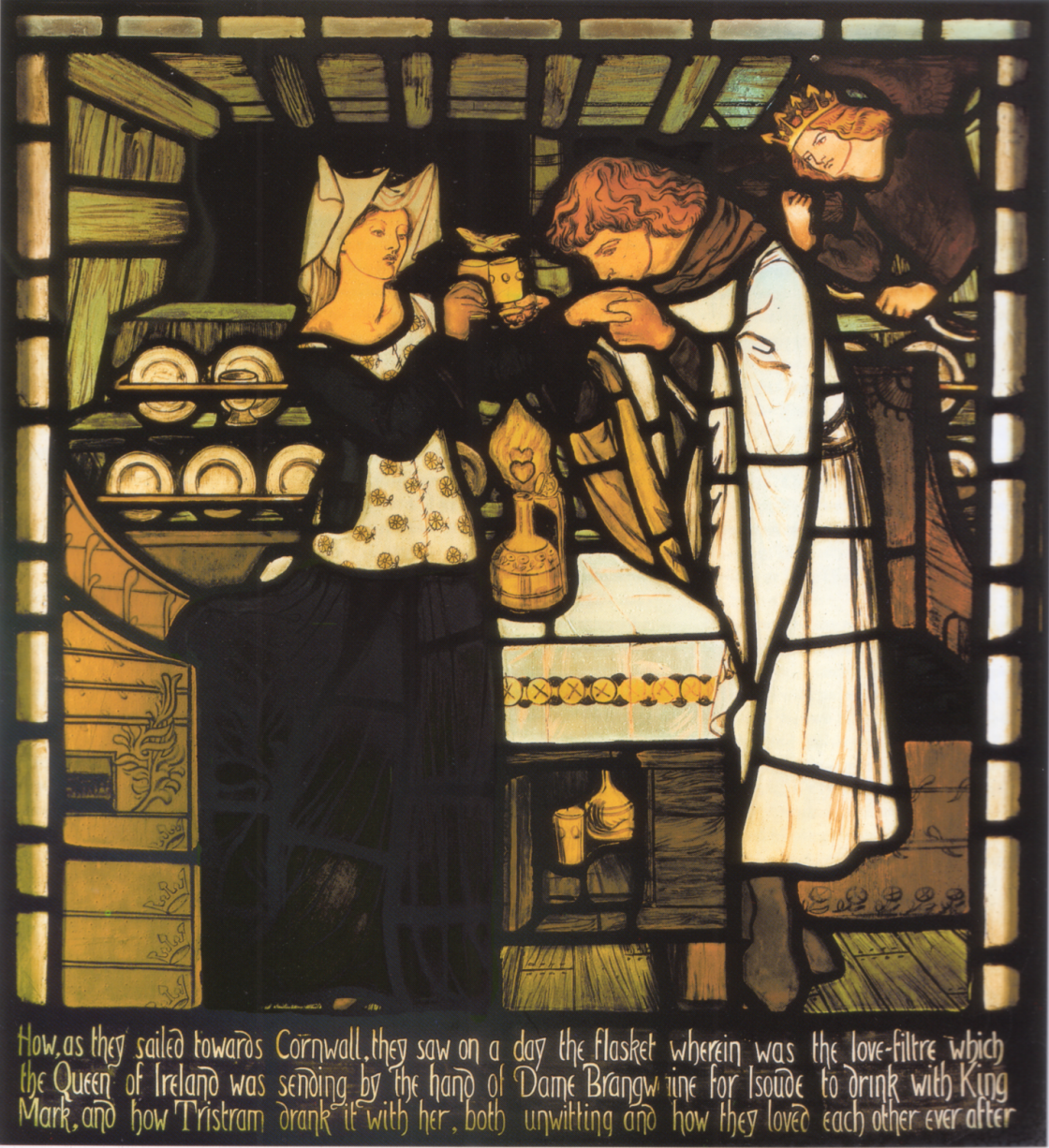
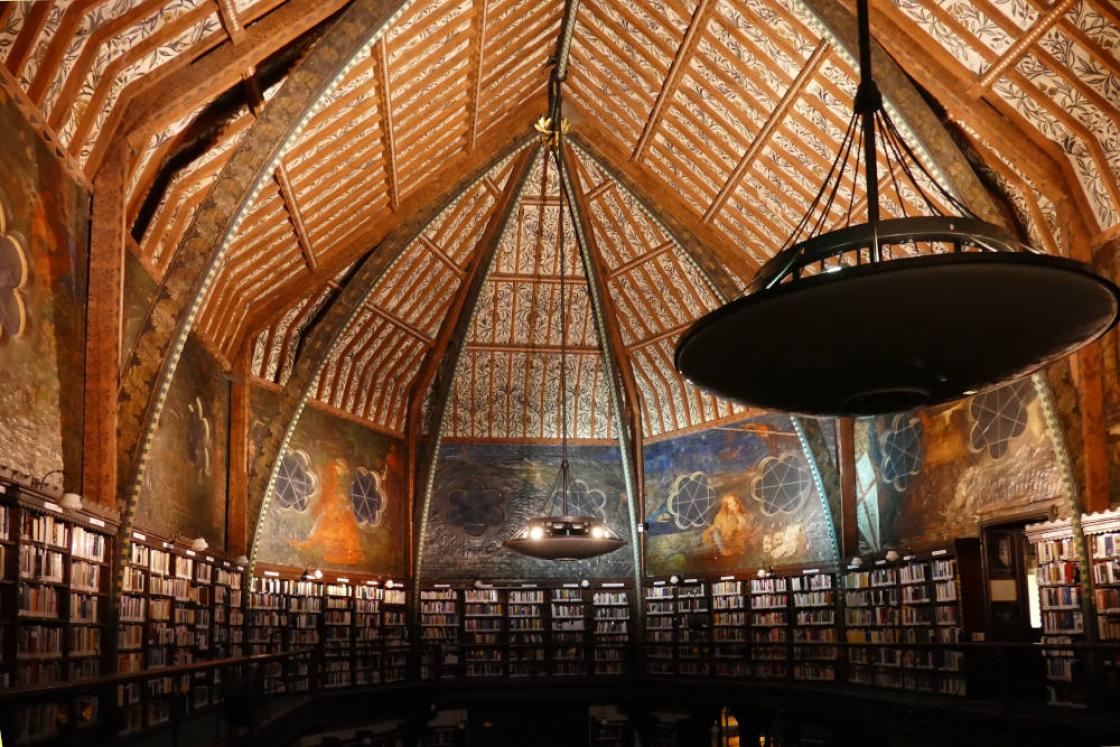
Join us on June 24th for an adventure through the world of Victorian art, as we follow the path trod by two friends, William Morris and Edward Burne-Jones, their idols, Alfred Tennyson and John Ruskin, and their admirers, George and Ellen Booth. The lecture will be followed by conversation with the speaker, alongside an exhibition of related works from the Cranbrook collections.
No society has treasured the Arthurian legends so much as Victorian Britain. After centuries of neglect, the legends exploded in popularity from the 1820s onward, delighting readers and inspiring artists, poets, and playwrights. New editions of Sir Thomas Malory’s Le Morte d’Arthur, and Alfred Tennyson’s epic poem Idylls of the King, made King Arthur and his knights household names for generations of Victorians. Among the many lovers of Arthur’s legend may be counted the intellectual and creative leaders of the Arts and Crafts Movement. Indeed, without the Arthurian Revival there might have been no movement.
A shared enthusiasm for Le Morte d’Arthur united the founders of the Arts and Crafts Movement, and it was work on a set of Arthurian murals for the Oxford Union that cemented the friendships and aesthetic sensibilities of its leading artists. Mingled associations between medieval legends and medieval craftsmanship prompted many designers to embrace the tales as inspiration well into the twentieth century. The ideals of Arthur’s court—good fellowship, high aspirations, and steadfast dedication—shaped the movement; just as Arthur and his knights transformed the realm of Albion, they sought to reform modern society.
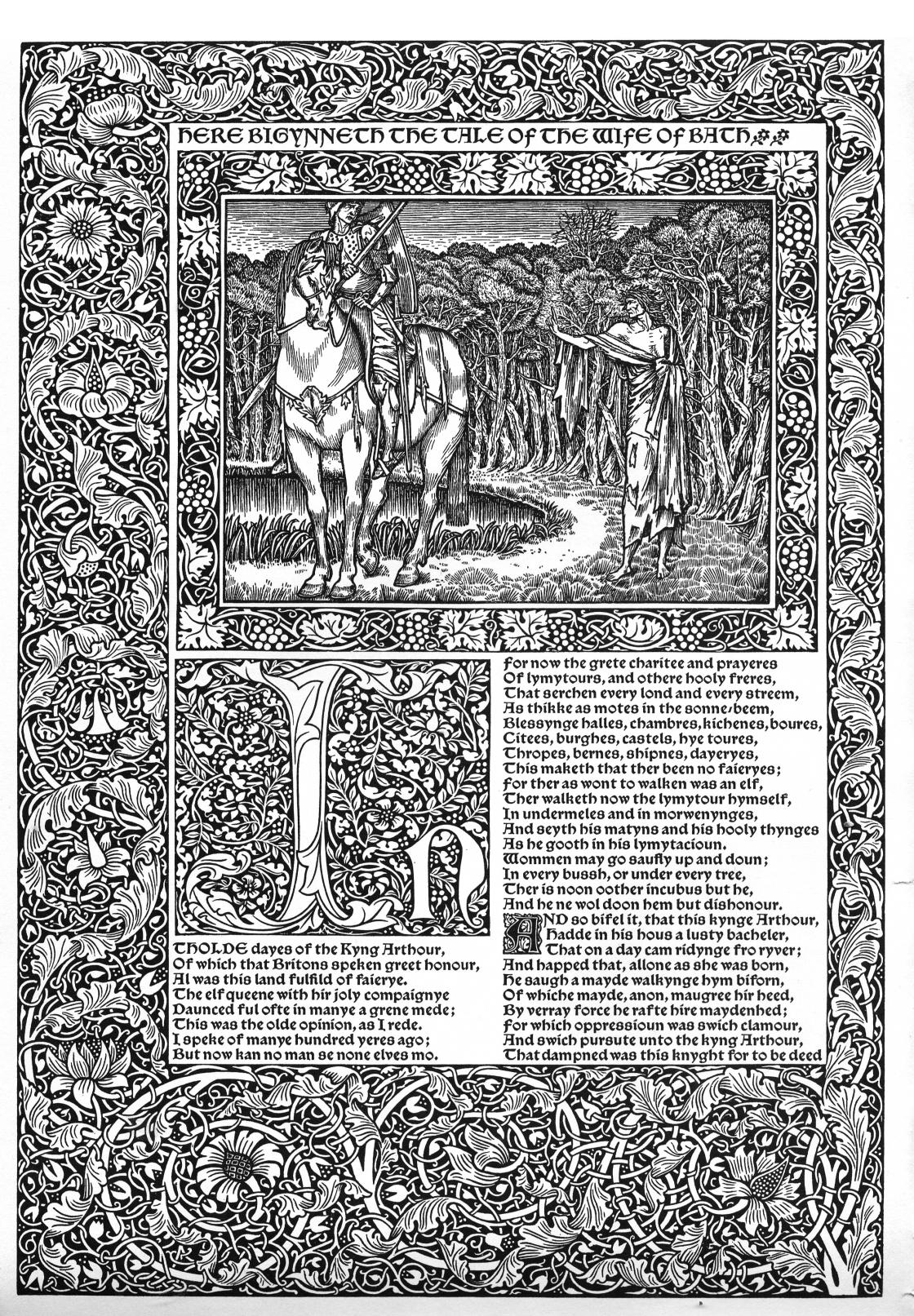
About the Lecture
This talk will explore the relationship between the Arthurian Revival and the Arts & Crafts Movement, through a close study of its most prominent creative collaborators, William Morris and Edward Burne-Jones. Morris and Burne-Jones both came to see themselves in Arthur and his tragic tale. Love, friendship, betrayal, and revolution formed the themes of their lives, their work, and the legend that shaped them.
George Booth was an enthusiast of the work of William Morris and Edward Burne-Jones. The contents of the library and Cranbrook House’s historic art collection speak to the Booths’ liking for the tales of King Arthur in many forms. These objects will form a part of our deep dive into the cultural impact of the Arthurian legends, within and beyond the Arts and Crafts Movement. Several key works will be on view during and after the lecture, including a rarely-exhibited copy of Le Morte d'Arthur illustrated by Aubrey Beardsley.
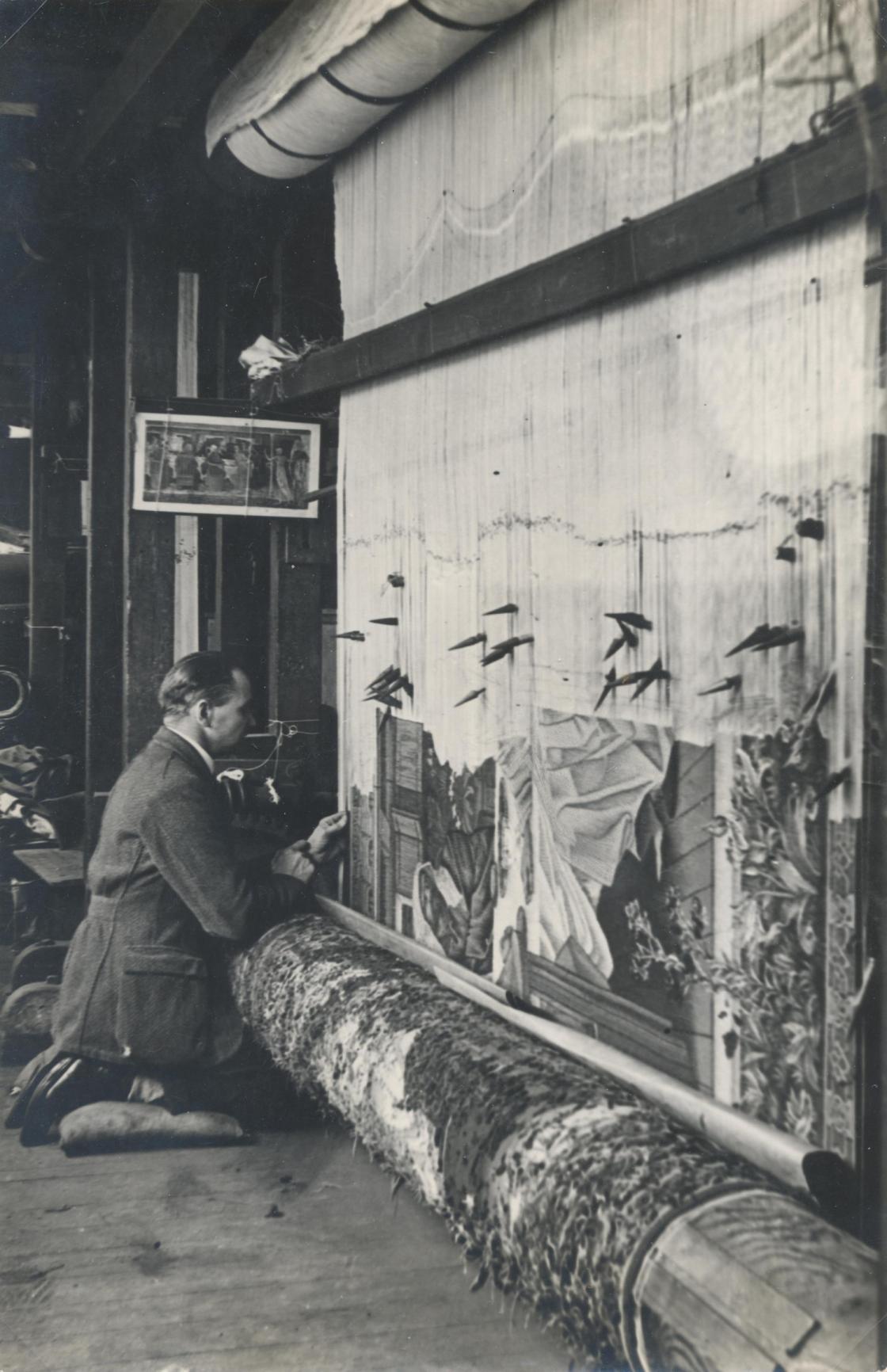
About the Speaker
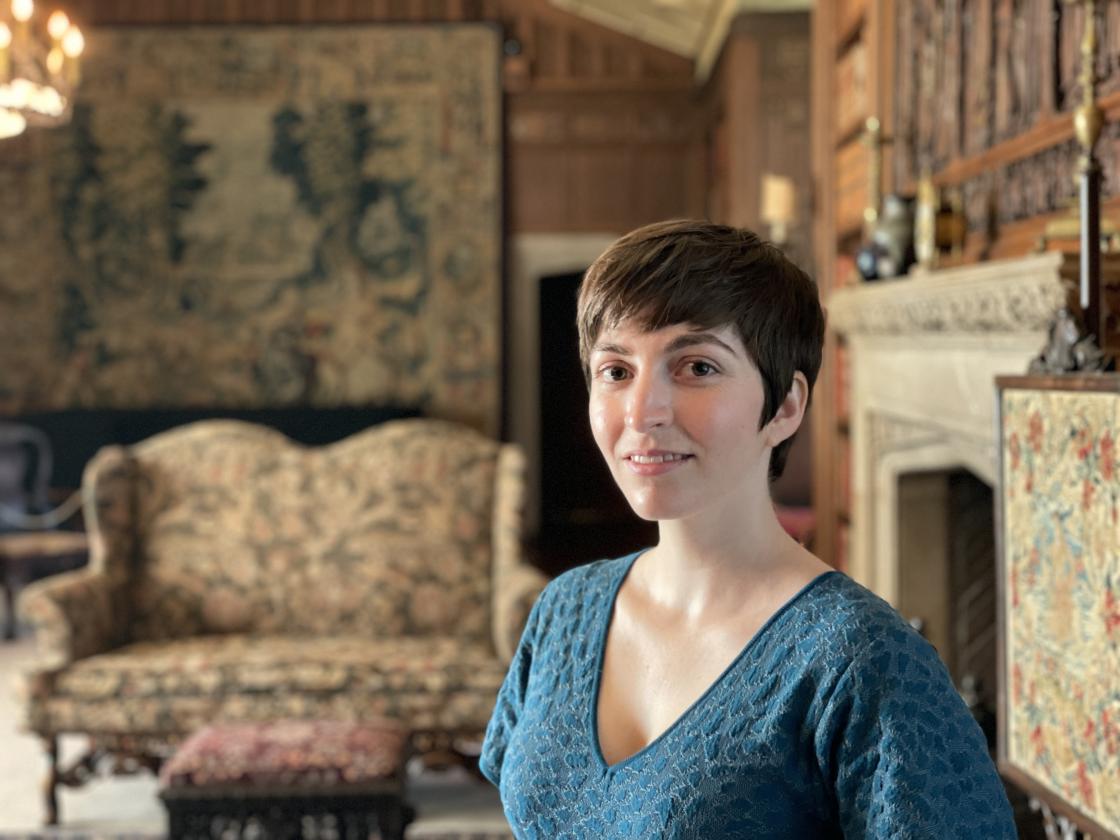
Mariam Hale is the 2025-2026 Martha J. Fleischman Collections Fellow for the Cranbrook Center as Collections and Research, where she has held the role of Collections Fellow since August 2023. As Collections Fellow, Mariam is engaged in investigating the history and significance of the Founders Collection at Cranbrook House.
Mariam completed her PhD in Art History at the University of York, where her research explored the role of fantasy in Victorian painting, with a focus on the interplay between literature and the visual arts. Her MLitt thesis at the University of St Andrews delved into the often comical and surprisingly affecting world of late nineteenth-century domestic interior design manuals. A graduate of Williams College, Mariam is a contributing author in The Cambridge History of Arthurian Literature and Culture, published in 2026.
LOCATION And Parking
Cranbrook House & Gardens is located at 380 Lone Pine Road, Bloomfield Hills, MI 48304. Parking is available onsite in our main lot. Additional parking is available on Lone Pine Road.
Accessibility
Accessible parking is available just south of the Cranbrook House Courtyard. Parking is permitted in marked areas only. There is a ramp to enter the main entrance of Cranbrook House, and all programming will take place on the first floor of the building. Please contact the Center at 248.645.3307 with any accessibility questions.
SERVICE ANIMAL POLICY
Cranbrook Center for Collections and Research is glad to accommodate visitors accompanied by service animals, as defined by the Americans with Disabilities Act (ADA), on its tours and at its lectures, including those at Cranbrook House. Under the ADA, a “service animal” is defined as a dog that has been individually trained to do work or perform tasks for an individual with a disability. The task(s) performed by the dog must be directly related to the person’s disability. Regretfully, we cannot accommodate visitors accompanied by emotional support animals or pets.
ADDITIONAL INFORMATION
For additional information in advance of the lecture, please call the Center at 248.645.3307.
PHOTO CREDITS:
Edward Burne-Jones, William Morris, and John Henry Dearle, designers, woven by Merton Abbey Looms, The Summons, 1898-1899. Courtesy of Birmingham Museums Trust.
Dante Gabriel Rossetti, designer, for Morris, Marshall, Faulkner & Co., Sir Tristram and la Belle Ysoude drink the potion, 1862. Braford District Museums and Galleries. Reproduced in J. Treuherz, E. Prettejohn, and E. Becker, Dante Gabriel Rossetti. London: Thames & Hudson (2003).
View of the Oxford Union Library, interior, with J. R. S. Stanhope’s mural just to the left of center. Courtesy of the Oxford Union, via Victorian Web.
Edward Burne-Jones and William Morris, “Here Bigynneth the Tale of the Wife of Bath,” in William Chaucer, The Canterbury Tales. London: Kelmscott Press, 1896. Courtesy of Michael John Goodman, Kelmscott Chaucer Online, 2023.
Percy Sheldrick weaving Holy Grail tapestry, Merton Abbey (c.1929-32). Courtesy of the William Morris Gallery, London Borough of Waltham Forest.
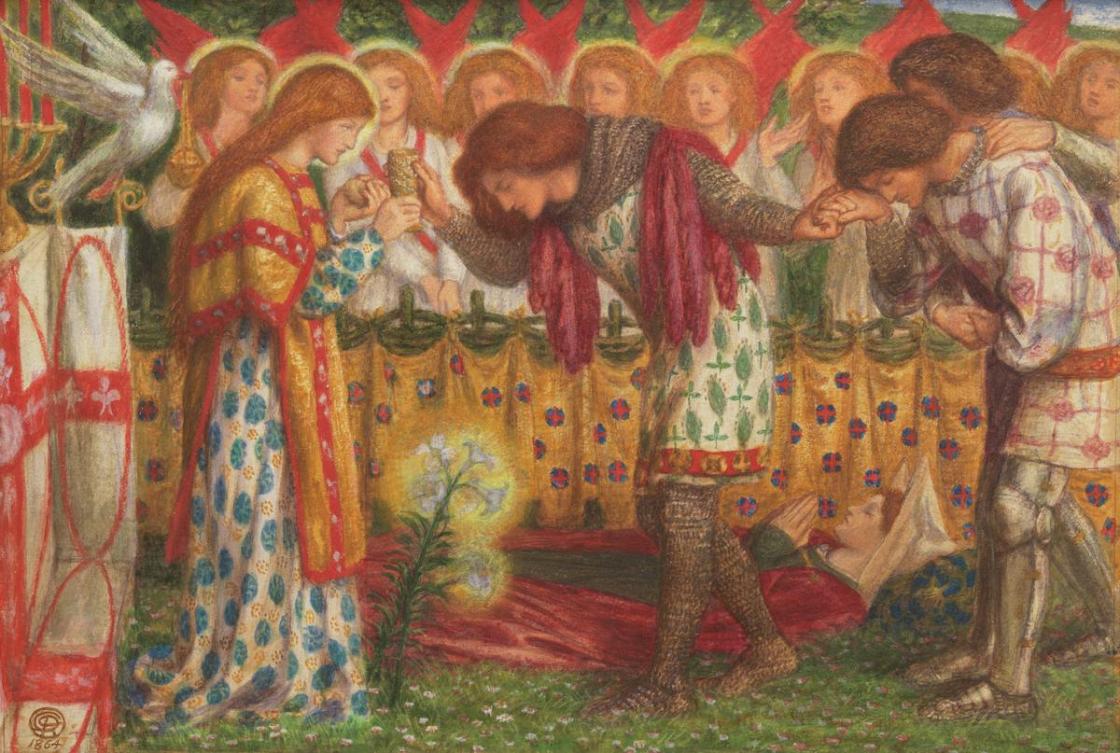
Dante Gabriel Rossetti, How Sir Galahad, Sir Bors and Sir Percival Were Fed with the Sanct Grael; but Sir Percival’s Sister Died by the Way, 1864. Courtesy of Tate Britain, London.