
IN-PERSON LECTURE AND CONVERSATION
WITH SADAFUMI UCHIYAMA
$20 for Adults
$15 for Cranbrook House & Gardens Auxiliary Members
$10 for Full-time Students (Free for Cranbrook Students)
Seating is Limited; Advance Registration Required
Join the Center for a presentation by the internationally celebrated landscape architect Sadafumi Uchiyama on the power of Japanese gardens, both in Japan and North America.
Presented by Cranbrook Center for Collections and Research
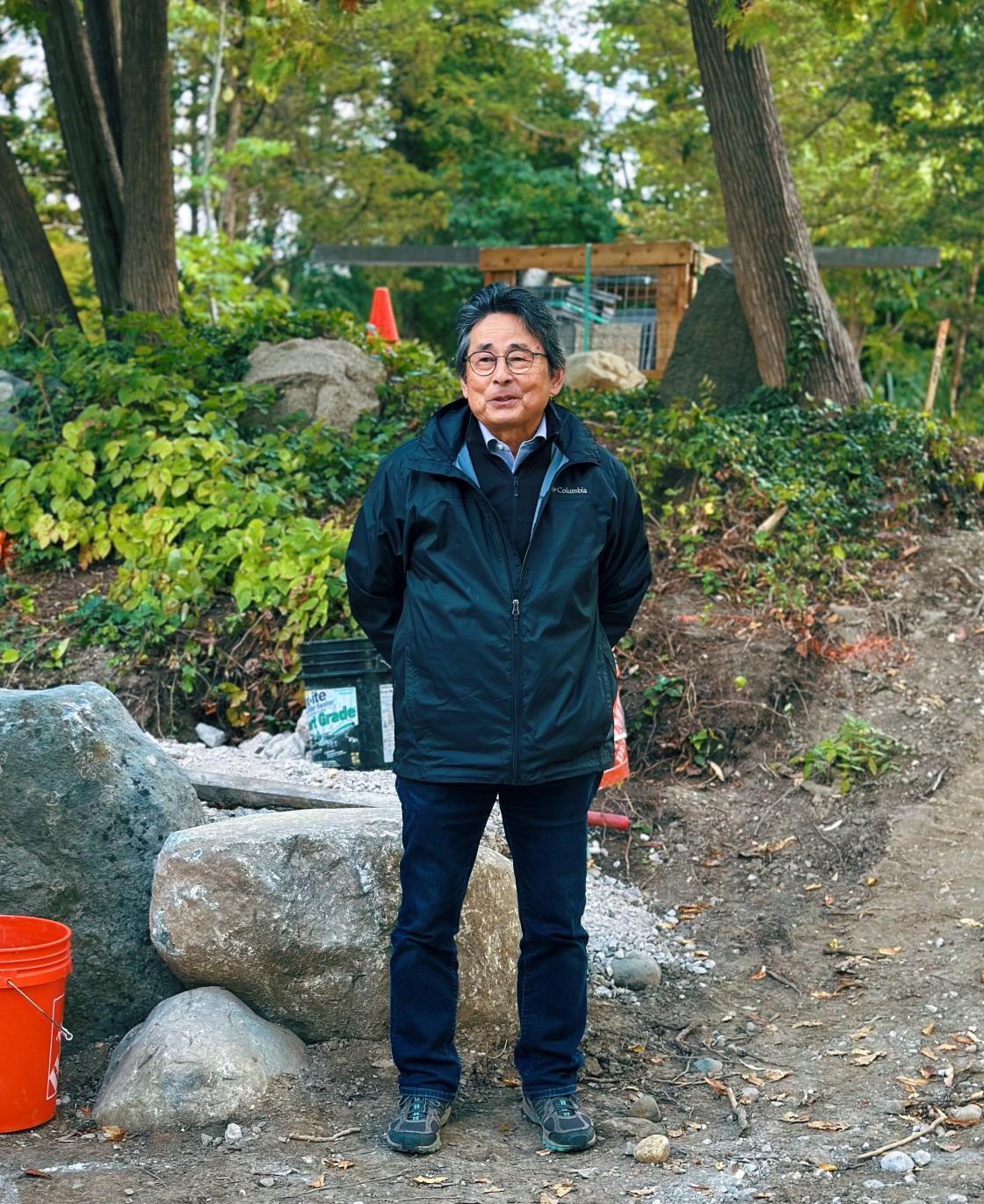
Over the past eight years, Sadafumi (Sada) Uchiyama has been working with the Center to transform the Cranbrook Japanese Garden into a world-class garden, one that respects its 111-year history while also creating new spaces for contemporary audiences to find inspiration, solace, and joy.
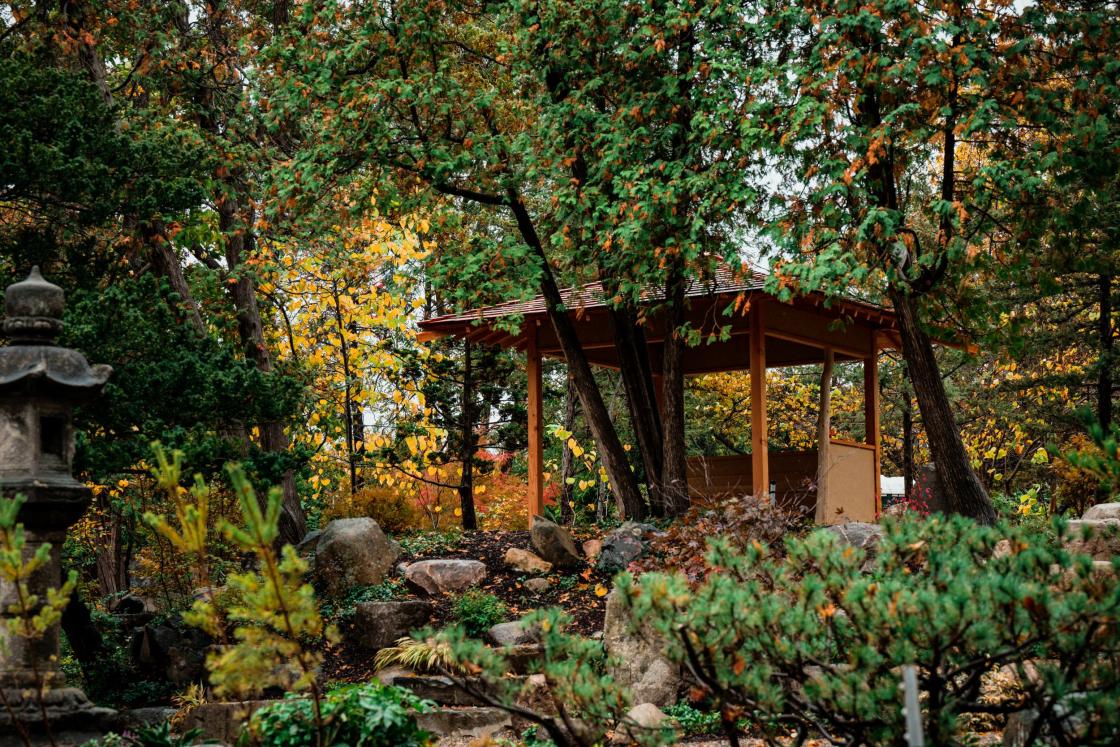
The second phase of Uchiyama’s master plan—the New Entrance Garden and Booth Family Azumaya—was dedicated in October 2025. Uchiyama’s presentation will be followed by a conversation with Center Director Gregory Wittkopp on the next phase of the Cranbrook Japanese Garden rehabilitation project, which will include the restoration of the garden’s east shoreline and the development of a “forested wetland” to help mitigate flooding.
ABOUT THE LECTURE: A MESSAGE FROM SADA
Japanese gardens may have originated in Japan, but their meaning and value extend far beyond Japan. In this presentation, I will share my personal journey from a gardener trained in Japan to someone who has spent more than thirty years creating and caring for Japanese gardens in America.
Through my experiences at Portland Japanese Garden and many other gardens, I have come to see that a Japanese garden is much more than an arrangement of stones, plants, and water. It is a place where people can reconnect with nature and with themselves.
People bring their memories, emotions, hopes, and experiences into Japanese gardens, and these gardens quietly become part of their personal histories.
Japanese gardens belong to Japan in their origin, but they belong to the world in their benefits.

ABOUT THE SPEAKER
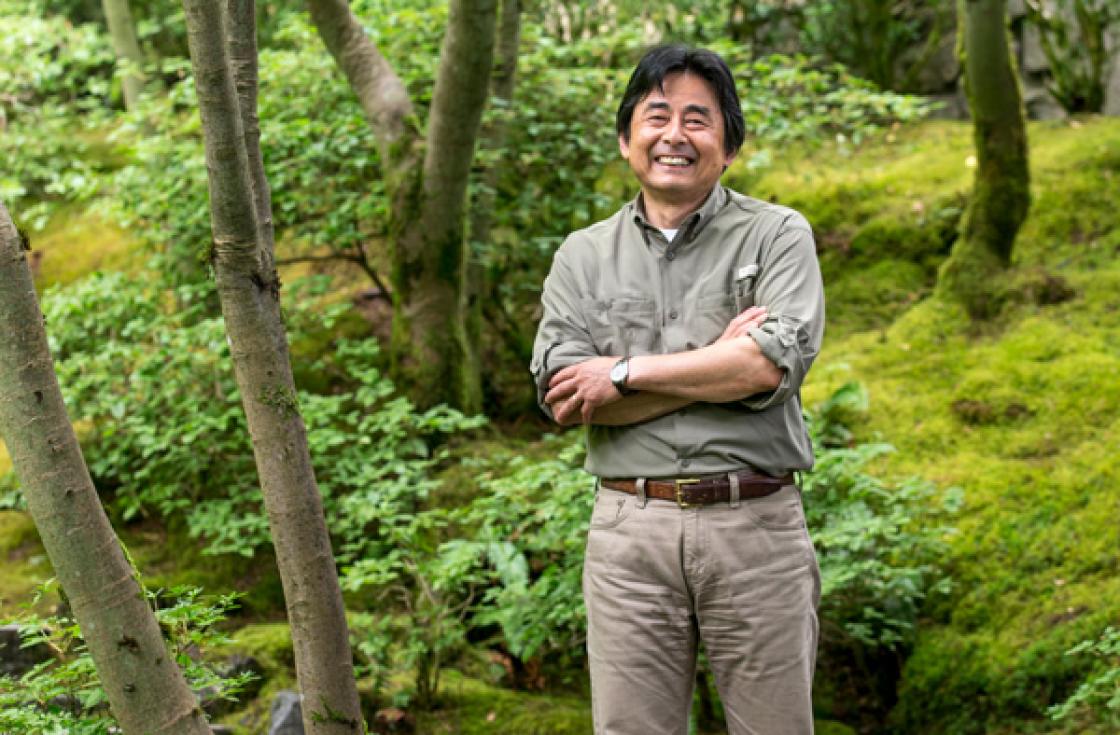
Sadafumi (Sada) Uchiyama is an internationally recognized master in the fields of landscape architecture and Japanese garden design. He is the Curator Emeritus of the Portland Japanese Garden where, from 2008 through 2023, he maintained and expanded what is widely considered the most important Japanese garden outside of Japan. Now based in both Sapporo, Japan, and Seattle, Washington, Uchiyama is a fourth-generation Japanese gardener from Fukuoka, Japan, where his family has been involved in gardening for over a century. Educated in the United States, he holds both bachelor’s and master’s degrees in landscape architecture from the University of Illinois and is a registered landscape architect.
In addition to Uchiyama’s work at Cranbrook and the Portland Japanese Garden, where he worked closely with the Japanese architect Kengo Kuma to create and integrate new garden spaces into the Cultural Crossing expansion, Uchiyama’s representative projects include renovations of the Osaka Garden, the site of the 1893 Great Columbian Exposition at Jackson Park in Chicago (from 2000 until present); and the Shofu-en Japanese garden of the Denver Botanic Gardens (2001–2012). Most recently, he completed the Shoun-Kei Japanese garden at Sarah Duke Gardens at Duke University (2015) and now is working on selected projects at the Anderson Japanese Garden in Rockford, Illinois.
In 2022, Uchiyama was awarded the Foreign Minister’s Commendation from the Foreign Ministry of Japan, one of the highest honors bestowed by the Japanese government, given to those with outstanding achievements in international fields. In 2025, the North American Japanese Garden Association presented Uchiyama with a Lifetime Achievement Award.
LECTURE LOCATION AND BARRIER-FREE ENTRANCE
Cranbrook Art Museum is accessed through Cranbrook's main entrance at 39221 Woodward Avenue. Free parking for the lecture is available on the east side of the Art Museum and in the parking deck located midway between Cranbrook Art Museum and Cranbrook Institute of Science. Attendees that would like access to the Art Museum's barrier-free entrance (through the New Studios Building) will need to make advance arrangements with the Center the week before the lecture by emailing center@cranbrook.edu or calling 248.645.3307.
SERVICE ANIMAL POLICY
Cranbrook Center for Collections and Research is glad to accommodate visitors accompanied by service animals, as defined by the Americans with Disabilities Act (ADA), on its tours and at its lectures, including those at Cranbrook Art Museum. Under the ADA, a “service animal” is defined as a dog that has been individually trained to do work or perform tasks for an individual with a disability. The task(s) performed by the dog must be directly related to the person’s disability. Regretfully, we cannot accommodate visitors accompanied by emotional support animals or pets.
Visitors who will be accompanied by service animals are welcome to call the Center at 248.645.3307 in advance of the scheduled event so that we may address any questions or concerns.
ADDITIONAL INFORMATION
For additional information in advance of the lecture, please call the Center at 248.645.3307. For information and assistance on the evening of the lecture, please call the Cranbrook Art Museum Front Desk at 248.645.3320.
PHOTO CREDITS
Portland Japanese Garden. Photography by Mike Hiran.
Sadafumi Uchiyama in the Cranbrook Japanese Garden, Summer 2025.
Cranbrook Japanese Garden New Entrance Garden. Photography by Andrew Potter Photography.
Photography Courtesy Sadafumi Uchiyama.
Sadafumi Uchiyama in the Portland Japanese Garden. Photography Courtesy Portland Japanese Garden.
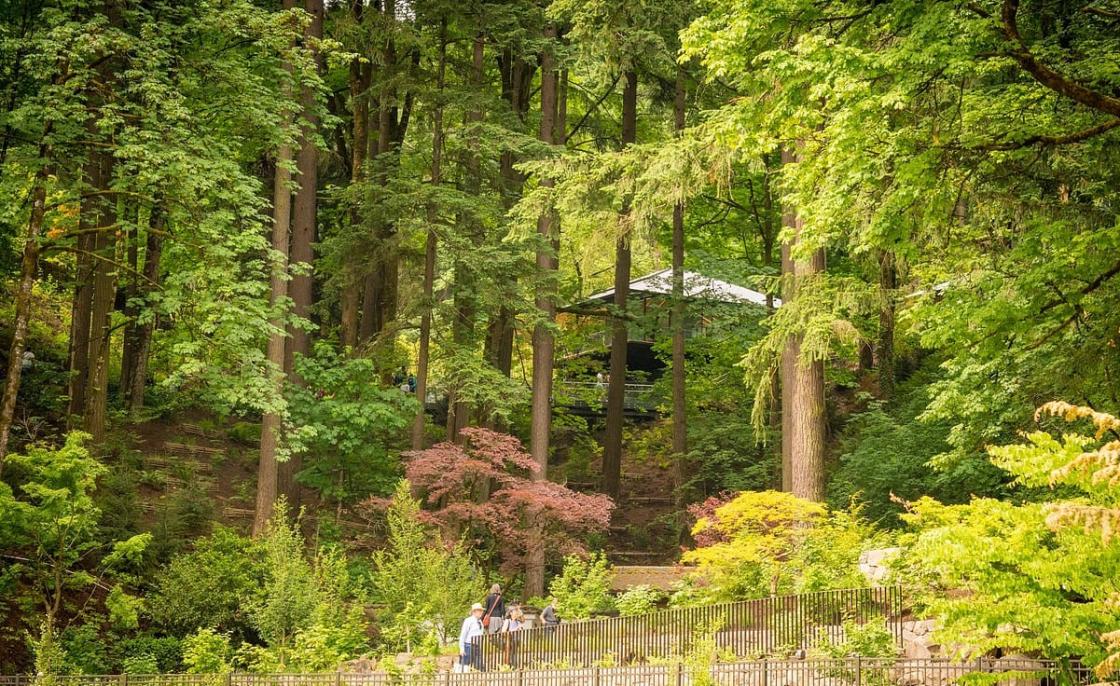
Portland Japanese Garden Entry Garden. Photography Courtesy Portland Japanese Garden.